別再瞎選導(dǎo)軌絲杠!垂直安裝不設(shè)防墜,幾千斤負(fù)載直接砸穿設(shè)備
來源:http://www.traderpanda.net/ 日期:2026-04-06 發(fā)布人:
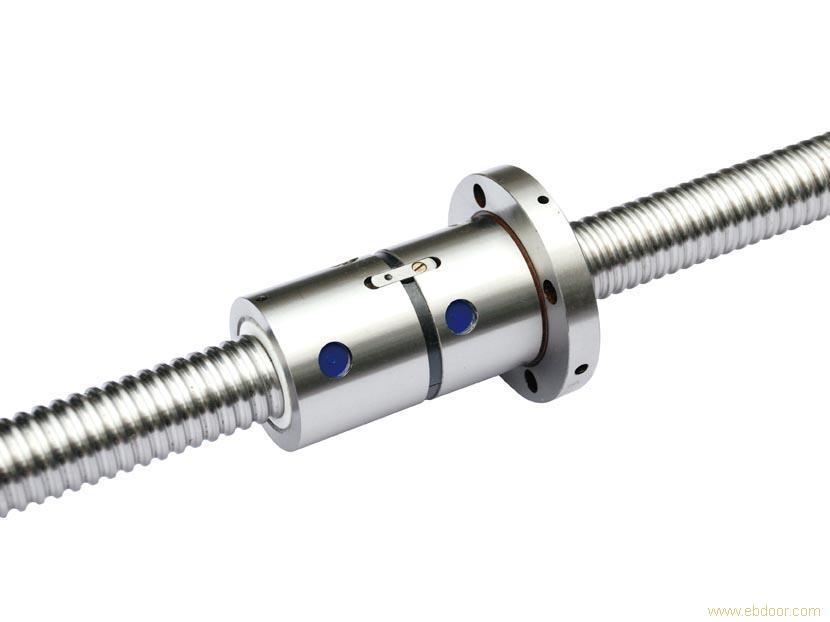
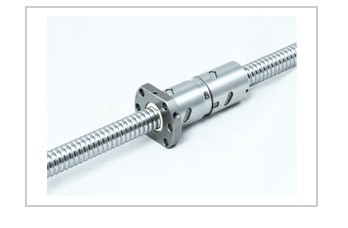
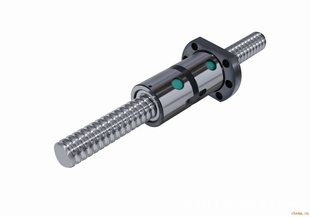
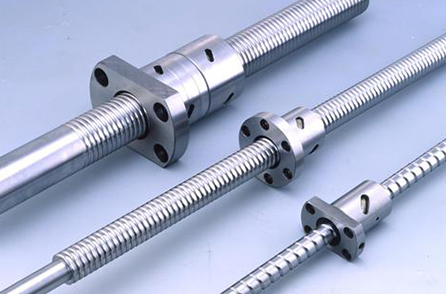
咱們直接進(jìn)入正題,聊聊滾珠絲桿這玩意兒的設(shè)計(jì)和選型。別看他名字挺機(jī)械,里面的門道可不少。上回咱們聊了滾珠絲桿的基本原理,就是靠那些小鋼珠在絲杠和螺母之間滾來滾去,把旋轉(zhuǎn)運(yùn)動(dòng)變成直線運(yùn)動(dòng),效率高,摩擦小。聽起來是不是挺簡(jiǎn)單的?但魔鬼都在細(xì)節(jié)里。今天咱們就來扒一扒怎么根據(jù)實(shí)際需求給他選個(gè)合適的型號(hào),這可是個(gè)技術(shù)活。
Let's get straight to the point and talk about the design and selection of ball screws. Don't be fooled by his mechanical name, there are quite a few tricks inside. Last time we talked about the basic principle of ball screws, which relies on small steel balls rolling back and forth between the screw and nut to convert rotational motion into linear motion, with high efficiency and low friction. Does it sound quite simple? But the devil is in the details. Today, let's explore how to choose a suitable model for him based on actual needs. This is a technical task.
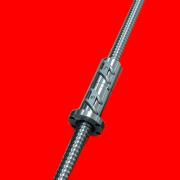
咱們先來看兩種非常常見的應(yīng)用場(chǎng)景:水平和垂直。你看這張圖,像不像工廠里那些大家伙?水平安裝的時(shí)候主要得考慮工作臺(tái)的摩擦力,還有加工時(shí)產(chǎn)生的切削力。公式就是 F 等于 mu 乘以 N 加 FC,簡(jiǎn)單粗暴對(duì)吧?但一旦變成垂直安裝,比如這個(gè)升降平臺(tái),那可就麻煩了。除了剛才那些力,還得加上一個(gè)重量級(jí)選手:重力。你想想,幾千斤的東西掉在那兒,光是往下掉的勁兒就夠你受的。而且升降過程中啟動(dòng)停止加速,慣性力也得算進(jìn)去。所以你看,垂直工況下的推力計(jì)算那可不是簡(jiǎn)單加個(gè)數(shù)就能完事的。安全系數(shù)建議得留足!不然掉下來可不是鬧著玩的。
Let's first take a look at the two most common application scenarios: horizontal and vertical. Do you think this picture looks like those big guys in the factory? When installing horizontally, the main considerations are the friction of the workbench and the cutting force generated during machining. The formula is F equals mu multiplied by N plus FC, which is simple and crude, right? But once it becomes a vertical installation, such as this lifting platform, it will be troublesome. In addition to the forces just now, we also need to add a heavyweight player: gravity. Think about it, thousands of pounds of things falling there, just the force of falling is enough for you to endure. And during the lifting process, starting and stopping acceleration, inertia force must also be taken into account. So you see, the calculation of thrust under vertical working conditions is not just about adding a few numbers. The safety factor must be sufficient! Otherwise, falling down is not a joke.
這張表總結(jié)的挺好,咱們細(xì)品一下。水平工況主要就是跟外力較勁,比如切削力,摩擦力,還有啟動(dòng)加速時(shí)的慣性力。島城可以大一點(diǎn),追求速度。但電機(jī)扭矩和系統(tǒng)剛性得跟上。預(yù)壓一般中等就行,C3級(jí)平衡精度和壽命。但如果負(fù)載非常大,那就得上 c5預(yù)壓了。再看垂直工況,那簡(jiǎn)直就是跟重力死磕。非常大的挑戰(zhàn)就是防止負(fù)載自己滑下來,所以建議用高預(yù)壓螺母把間隙有效消除掉,不然定位精度就沒法保證。震動(dòng)一來精度更是雪上加霜。島城的選擇也得悠著點(diǎn),不能光圖快得考慮自鎖性,不然斷電或者意外情況,那后果不堪設(shè)想。
This table summarizes quite well, let's take a closer look. Horizontal working conditions mainly involve competing with external forces, such as cutting force, friction force, and inertial force during acceleration. Island city can be bigger, pursuing speed. But the motor torque and system rigidity need to keep up. Preloading is generally moderate, with C3 level balance accuracy and lifespan. But if the load is particularly large, then C5 preloading is required. Looking at the vertical working condition again, it's like a collision with gravity. The biggest challenge is to prevent the load from slipping off on its own, so it is necessary to use high preload nuts to completely eliminate the gap, otherwise the positioning accuracy cannot be guaranteed. The vibration makes the accuracy even worse. The choice of island city also needs to be taken lightly, and we cannot just focus on speed. We need to consider self-locking, otherwise the consequences of power outages or unexpected situations will be unimaginable.
接著看電機(jī)扭矩和安全設(shè)計(jì)這塊。水平工況下,電機(jī)主要負(fù)責(zé)加速和克服摩擦扭矩,要求相對(duì)溫和。但垂直工況就不一樣了,電機(jī)不僅要加速,還得時(shí)刻對(duì)抗著重力持續(xù)輸出扭矩,而且還得有足夠的保持扭矩。不然負(fù)載稍微有點(diǎn)晃動(dòng),他就得趕緊剎住。所以,垂直工況對(duì)電機(jī)的要求更高。安全方面,水平工況一般沒啥非常的,頂多擔(dān)心點(diǎn)灰塵啥的。但垂直工況安全問題就凸顯出來了,絕對(duì)不能掉鏈子。建議加裝制動(dòng)器,要么是電機(jī)自帶的,要么是外部的,確保斷電后能穩(wěn)穩(wěn)的停住,防止意外發(fā)生。效率方面,雖然兩種工況都有影響,但垂直工況因?yàn)橐掷m(xù)對(duì)抗重力效率的損失會(huì)直接影響到電機(jī)功率的選擇和制動(dòng)器的發(fā)熱量。這點(diǎn)千萬不能忽視。
Next, let's take a look at the motor torque and safety design. Under horizontal working conditions, the motor is mainly responsible for accelerating and overcoming frictional torque, requiring relatively gentle operation. But the vertical working condition is different. The motor not only needs to accelerate, but also needs to continuously output torque against gravity at all times, and has sufficient holding torque. Otherwise, if the load shakes slightly, he will have to brake quickly. So, vertical working conditions have higher requirements for the motor. In terms of safety, there is generally nothing special about horizontal working conditions, at most there is a concern about dust and other things. But the safety issue of vertical working conditions has become prominent, and the chain must not fall off. It is necessary to install a brake, either built-in to the motor or external, to ensure a stable stop after power failure and prevent accidents. In terms of efficiency, although both operating conditions have an impact, the vertical operating condition will directly affect the selection of motor power and the heat generation of the brake due to the continuous resistance to gravity and the loss of efficiency. This must not be ignored.
說了這么多,到底該怎么一步步選呢?首先得判斷工況類型是水平還是垂直?受力方向是啥?靜載荷還是動(dòng)載荷?這就像看病,先得診斷清楚病癥。然后是軸向載荷計(jì)算,這是核心中的核心。要把工作臺(tái)的重量,切削力,加速度產(chǎn)生的力等等都算進(jìn)去。別忘了考慮摩擦系數(shù)和效率損失。算出來的總載荷 F 總是后續(xù)選型的基礎(chǔ)。非常后一步就是根據(jù)算出來的 F 總?cè)テヅ錆L珠絲桿的額定,動(dòng)載和 CA 找到合適的型號(hào)。但這還沒完,還得驗(yàn)算幾個(gè)關(guān)鍵參數(shù),比如臨界轉(zhuǎn)速轉(zhuǎn)速太高,死桿可能失穩(wěn)。還有壓感穩(wěn)定性,尤其是在垂直工況下別選了個(gè)細(xì)長(zhǎng)的絲桿,結(jié)果被壓彎了。整個(gè)流程下來,環(huán)環(huán)相扣,一步都不能錯(cuò)。
After all that has been said, how should we choose step by step? Firstly, it is necessary to determine whether the working condition type is horizontal or vertical? What is the direction of force? Static load or dynamic load? It's like seeing a doctor, you have to diagnose the illness first. Then there is the calculation of axial load, which is the core of the core. We need to include the weight of the workbench, cutting force, acceleration generated force, and so on. Don't forget to consider the friction coefficient and efficiency loss. The calculated total load F is always the basis for subsequent selection. The final step is to match the rated, dynamic load, and CA of the ball screw based on the calculated F total to find the appropriate model. But that's not all, we still need to verify several key parameters, such as the critical speed being too high, which may cause the dead rod to become unstable. There is also pressure stability, especially when choosing a slender screw under vertical working conditions, which resulted in being bent. Throughout the entire process, every step is interconnected and cannot be wrong.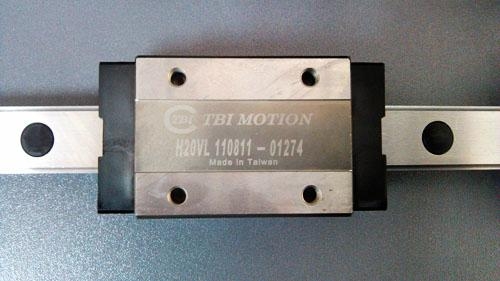
理論講完了,咱們來看幾個(gè)實(shí)際案例。比如數(shù)控機(jī)床的 Z 軸,通常都是垂直安裝的滾珠絲桿,那自重補(bǔ)償,防逆轉(zhuǎn)裝置這些就必不可少。不然加工精度和設(shè)備安全就沒法保證。再看自動(dòng)化設(shè)備,很多是水平應(yīng)用,這時(shí)候?qū)驒C(jī)構(gòu)的設(shè)計(jì)和防塵密封性能就變得非常重要。畢竟水平運(yùn)動(dòng)容易積灰,導(dǎo)向不好,還容易跑偏。當(dāng)然非常怕的就是選型錯(cuò)誤。比如,忽略了臨界轉(zhuǎn)速計(jì)算結(jié)果,高速運(yùn)轉(zhuǎn)時(shí)絲桿直接散架。或者沒考慮溫度補(bǔ)償,環(huán)境溫度變化導(dǎo)致絲感膨脹,收縮,影響精度甚至損壞。還有潤(rùn)滑方式選不對(duì)?該加油的地方?jīng)]油,不該有的地方油太多都會(huì)出問題。這些都是血淚教訓(xùn)。
The theory is finished, let's take a look at a few practical cases. For example, the Z-axis of a CNC machine tool is usually a vertically installed ball screw, so self weight compensation and anti reverse devices are essential. Otherwise, the machining accuracy and equipment safety cannot be guaranteed. Looking at automation equipment again, many of them are used horizontally, and at this time, the design of the guiding mechanism and the dust-proof sealing performance become very important. After all, horizontal exercise is prone to accumulation of dust, poor guidance, and easy deviation. Of course, the biggest fear is the selection error. For example, ignoring the calculation results of critical speed, the screw rod directly breaks apart during high-speed operation. Or without considering temperature compensation, changes in environmental temperature can cause silk to expand, contract, affect accuracy, and even damage. Is the lubrication method chosen incorrectly? There is no fuel in the areas that should be refueled, and excessive fuel in some areas can cause problems. These are all painful lessons.
關(guān)于滾珠絲桿的設(shè)計(jì)選型,今天就先聊到這里。希望這些內(nèi)容能幫大家更好的理解和應(yīng)用這項(xiàng)技術(shù)。如果需要更深入的學(xué)習(xí)資料或者筆記,可以關(guān)注我,評(píng)論區(qū)留言久久,免費(fèi)領(lǐng)取。當(dāng)然,有明顯疑問或者想吐槽的地方,也歡迎隨時(shí)留言,我會(huì)盡力解答。
That's all for today's discussion on the design and selection of ball screws. I hope these contents can help everyone better understand and apply this technology. If you need more in-depth learning materials or notes, you can follow me, leave a long comment in the comment section, and receive them for free. Of course, if you have any questions or want to roast, please leave a message at any time. I will try my best to answer them.
本文由 導(dǎo)軌絲杠 友情奉獻(xiàn).更多有關(guān)的知識(shí)請(qǐng)點(diǎn)擊 http://www.traderpanda.net/ 真誠(chéng)的態(tài)度.為您提供為多維度的服務(wù).更多有關(guān)的知識(shí)我們將會(huì)陸續(xù)向大家奉獻(xiàn).敬請(qǐng)期待.
This article is a friendly contribution from the guide screw For more related knowledge, please click http://www.traderpanda.net/ Sincere attitude To provide you with comprehensive services We will gradually contribute more relevant knowledge to everyone Coming soon.
- 上一篇:滾動(dòng) vs 滑動(dòng):導(dǎo)軌絲杠選錯(cuò),磨損翻倍、維護(hù)成本直接飆升
- 下一篇:導(dǎo)軌絲杠選型避坑!四步法合理選型,90%工程師都在用,杜絕動(dòng)力不足、共振隱患